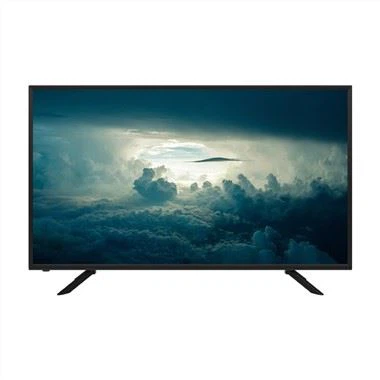
Bad Habit Of Watching UHD LED TV May Cause Sleep Disturbance
Apr 04, 2022
Bad habit of watching UHD LED TV may cause sleep disturbance
Every weekend or after dinner, lying down on the sofa or bed and watching a movie or ultra-high-definition LED TV, it must be the most comfortable time for most people. However, many people fall asleep unconsciously when they watch it, and it has even become a habit.
According to recent media reports, Professor Rachel Salas, who studies sleep science at the Johns Hopkins University School of Medicine, said, "If you sleep while enjoying the light and sound emitted from an ultra-high-definition LED TV, there may be a sleep disorder".
"Sounds such as movies are unpredictable, and sounds with relaxing effects are stable in volume and pitch," Salas said. "If unpredictable sounds enter the ears during sleep, they can cause arousal and prevent sleep."
Blue light emitted from ultra-high-definition LED TVs or smartphones may interfere with sleep, because the body can perceive light with closed eyes, and sleeping while staring at the light of ultra-high-definition LED TVs can have a bad effect on sleep.
As soon as the news came out, it attracted the attention of many ladies. Why do devices like Ultra HD LED TVs cause sleep disturbances? How harmful is it to the human body? How to avoid and alleviate it? Today I will tell you a good story!
Does watching ultra-high-definition LED TV, etc. cause sleep disorders?
When electronic devices such as ultra-high-definition LED TVs, smartphones, and tablets operate, they emit a blue light that seriously affects sleep quality, and the light in blue light can inhibit the production of melatonin.
Melatonin is an amine hormone produced by the pineal gland of mammals. It can shorten the time to wake up before going to sleep and the time to fall asleep, improve sleep quality, prolong deep sleep, make people not easily wake up, and have a strong Adjust the time difference function.
Decreased melatonin can make people feel less drowsy and make it difficult to sleep. In addition, sound during smart device use can also cause irritation, making it more difficult to fall asleep.